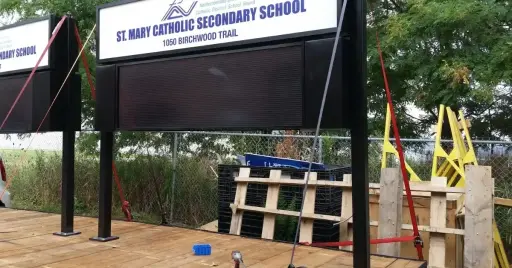
When you enter a large building or campus, one of the first things you notice is how easy, or difficult it is to find your way around. That’s where directional signage comes in. These signs are essential tools that help people navigate large areas such as universities, hospitals, corporate parks, and shopping centers.
With well-planned wayfinding signs, visitors can move confidently without confusion or frustration. They not only make navigation easier but also enhance safety and create a positive brand impression. In this guide, we’ll explore how campus directional signage and navigation signage transform large spaces into organized, user-friendly environments.

What Is Directional Signage?
Directional signage refers to signs specifically designed to guide people through spaces efficiently. They use arrows, text, and symbols to point visitors toward destinations like entrances, restrooms, departments, or parking areas.
These signs are often seen in:
- Corporate offices direct visitors to meeting rooms.
- Hospitals guide patients to wards and emergency departments.
- Campuses showing paths to lecture halls and administrative blocks.
- Airports or malls for exits, rest areas, and amenities.
Directional signage is part of a broader wayfinding system, which helps users navigate a complex space without assistance. When planned correctly, it’s not only functional—it also reinforces the organization’s identity through colors, fonts, and branding elements.
Why Directional Signage Matters in Large Spaces
In expansive buildings and campuses, poor navigation leads to frustration, delays, and even safety issues. Effective directional signage solves these challenges by creating a clear visual path.
Benefits of Directional Signage:
- Reduces confusion: Helps visitors reach destinations quickly.
- Enhances safety: Guides crowds during emergencies or high traffic.
- Boosts accessibility: Assists differently-abled visitors with visual clarity.
- Strengthens branding: Every sign reflects your identity and professionalism.
For indoor navigation, signs must be visible and consistent. For example, office lobbies and corridors benefit from sleek, clear signage like Indoor Office Signs that seamlessly blend with interiors while guiding people efficiently.
Types of Directional Signage for Campuses and Buildings
Large spaces require multiple types of wayfinding signs—both indoor and outdoor—to guide visitors effectively.
Indoor Wayfinding Signs
Indoor navigation signage includes lobby directories, elevator signs, hallway arrows, and room identifiers. These signs should be clear, legible, and placed at eye level for easy reading.
Indoor signs can also reflect your brand’s personality. Adding dimensional elements enhances readability and aesthetics. 3D Dimensional Signs can be used for elegant and professional interior designs that make navigation effortless.
Outdoor Directional Signs
Outdoor campus directional signage serves as the first guide for new visitors. From parking lots to building entrances, outdoor signs should withstand weather and remain visible day or night.
Common outdoor directional signs include:
- Parking and pedestrian guidance
- Building name signs
- Entry and exit directions
- Pathway or road markers
Durability and visibility are key.
Key Design Tips for Effective Navigation Signage
Design plays a huge role in how well your directional signage performs. Here are expert tips to ensure maximum clarity and usability:
1. Visibility & Readability
- Use large, sans-serif fonts.
- Maintain strong color contrast (e.g., dark text on light background).
- Include universally recognized icons for restrooms, exits, elevators, etc.
2. Consistent Branding
All your wayfinding signs should align with your brand’s look and tone. This consistency builds trust and familiarity. Add your logo subtly to reinforce identity—similar to how Custom Logo Signs integrate visual branding into signage.
3. Proper Placement
Install signs where decisions are made—intersections, hallways, and entry points. Avoid clutter or overlapping visuals.
4. Lighting & Material
If your area is dimly lit or used at night, illuminated signage increases safety and readability.
The Breakdown You Need
| Aspect | Good Signage Design | Poor Signage Design |
|---|---|---|
| Font | Clear, readable | Decorative, hard to read |
| Colors | High contrast | Low visibility |
| Placement | Logical, consistent | Random or confusing |
| Lighting | Visible day/night | Hard to see in dim areas |
Best Materials and Installation Practices
Choosing the right materials ensures your signage remains durable and professional for years.
Common Materials
- Aluminum: Rust-resistant, lightweight, ideal for outdoor use.
- Acrylic: Sleek and modern look for indoor signs.
- PVC: Cost-effective and versatile.
- LED-illuminated signs: Ideal for night visibility and aesthetics.
For large properties or campuses, illuminated wayfinding systems—like LED Display Signs—are excellent choices. They enhance navigation in low-light conditions and can display changing directions or updates dynamically.
Installation Tips
- Mount signs at a comfortable viewing height.
- Use weatherproof fixtures for outdoor signs.
- Ensure all signs are consistently aligned and securely placed.
- Conduct periodic inspections to maintain visibility and accuracy.
How to Plan a Complete Wayfinding System
A navigation signage plan should be strategic and user-centered. Follow these steps to design a complete system:
- Site Mapping: Start by mapping every key area—entries, exits, elevators, pathways.
- User Flow Analysis: Identify how people move naturally through the space.
- Sign Hierarchy: Use a clear structure—main signs (primary), sub-paths (secondary), and detailed labels (tertiary).
- Placement Strategy: Position signs at eye level and decision points.
- Testing: Run usability tests with new visitors to ensure clarity.
Conclusion
Clear and well-placed directional signage is the key to smooth navigation in large buildings and campuses. From improving visitor satisfaction to reinforcing your brand image, it’s a crucial investment that pays off in efficiency and professionalism.
Whether you need simple hallway markers or illuminated outdoor systems, wayfinding signs ensure everyone feels confident finding their way.
FAQ
Directional signage helps people find their way through large or complex spaces like campuses, hospitals, and offices. It guides movement, reduces confusion, and enhances visitor experience.
By placing clear wayfinding signs across key areas, campuses help students and visitors reach destinations quickly without frustration or asking for help.
Aluminum and LED-illuminated materials work best outdoors—they’re durable, weather-resistant, and easy to maintain.
Yes! Modern navigation signage often includes LED lighting or digital displays for better visibility and real-time updates.
Focus on simplicity, high contrast, consistent branding, and strategic placement. Consulting professionals ensures your system meets both design and safety standards.