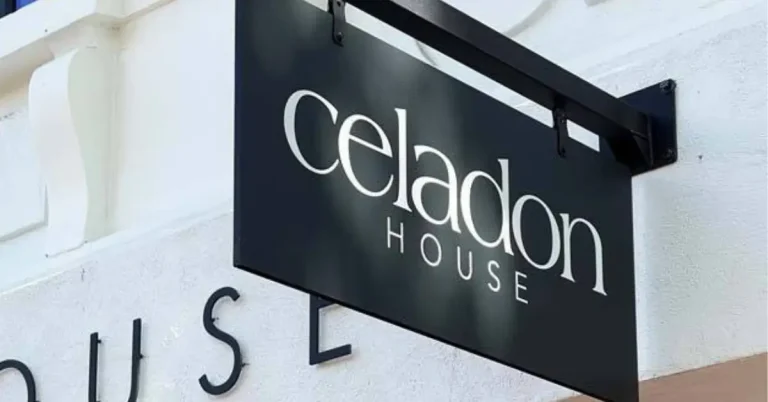
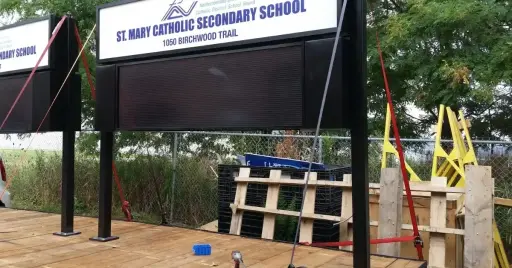
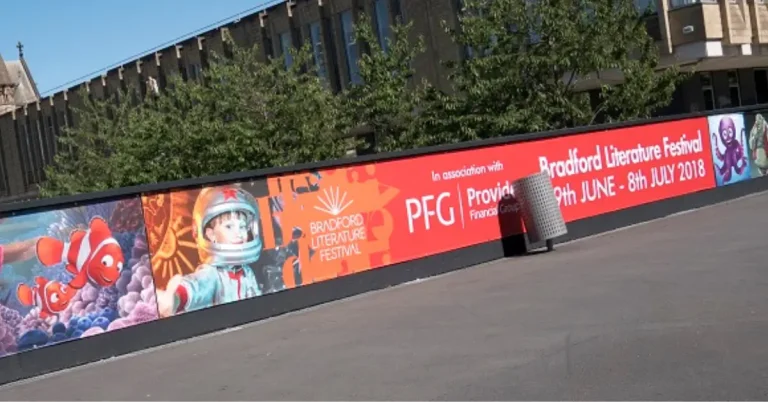
A sign is more than just a name on a wall; it’s your brand’s silent ambassador. A well-crafted custom sign design can make a lasting impression, attract foot traffic, and reinforce brand identity.
Whether you’re a small business or a corporate brand, investing in professional sign design ensures your business signage looks polished, durable, and aligned with your message.

Why Custom Sign Design Matters for Your Business
Your business sign is often the first impression customers have of your brand—it speaks volumes before you even say a word. A thoughtfully crafted custom sign helps:
- Strengthen brand recognition through unique colors, fonts, and logos
- Convey professionalism and reliability
- Make your business stand out in competitive locations
Unlike off-the-shelf templates, a custom sign is designed around your brand’s personality and marketing goals. When executed well, it transforms your storefront into a powerful branding tool.
Step-by-Step Process of Professional Sign Design
Creating a professional sign design involves a mix of creativity, branding strategy, and technical expertise. Here’s a detailed look at what goes into designing an effective custom sign.
1. Understanding the Brand
Every great design process starts with understanding your brand. Designers take time to assess your business tone, target audience, and marketing goals to ensure every detail aligns with your identity.
For example, a corporate office may choose a sleek custom logo sign to reflect professionalism, while a bakery might opt for a colorful, cheerful design that feels warm and inviting.
Maintaining consistency is essential; your logo, color palette, and typography should all reinforce your brand’s visual identity.
2. Choosing the Right Materials
Selecting the right materials plays a major role in defining your sign’s appearance, durability, and overall impact. Common options include:
| Material | Best For | Features |
|---|---|---|
| Acrylic | Indoor & Outdoor | Sleek, modern, durable |
| Metal | Outdoor | Elegant, long-lasting |
| Wood | Indoor | Warm, natural aesthetic |
| LED / Neon | Indoor & Outdoor | Eye-catching, energy-efficient |
The best material depends on where your sign will be installed. For example, outdoor business signs should resist sunlight, rain, and wind, making acrylic or aluminum ideal choices. Meanwhile, indoor office signs can focus more on aesthetics and brand alignment.
3. Designing for Visibility and Impact
A great custom sign design captures attention instantly. Designers consider:
- Readability – Choosing legible fonts and high-contrast colors
- Size & Placement – Ensuring visibility from multiple angles
- Lighting – Using LED or 3D dimensional signs for emphasis
Adding illuminated or layered designs can make your signage stand out day and night. Businesses that use 3D dimensional signs or custom neon signs enjoy better visibility and stronger brand recall.
4. Production and Finishing
Once the design is finalized, production begins. Skilled technicians use advanced equipment to cut, print, and assemble your sign. This stage includes:
- Digital mockups and proofing
- Material cutting and finishing
- Color calibration and quality control
Each professional sign design is carefully inspected before installation to ensure accuracy and durability.
5. Installation and Maintenance
A perfect design means little without proper installation. Professionals ensure the sign is mounted safely, aligned correctly, and lit properly. Maintenance is equally important; routine cleaning, bulb replacement, and surface care can extend your sign’s lifespan significantly.
Common Mistakes to Avoid in Custom Sign Design
Even the best ideas can fall short if execution is poor. Avoid these common pitfalls:
- Using fonts that are hard to read from a distance
- Choosing colors that blend with the background
- Overcrowding the design with text or graphics
- Ignoring local sign regulations and size restrictions
- Skipping professional guidance
Working with experienced designers ensures your custom sign design stays clear, compliant, and effective.
How to Choose the Right Sign Designer
Finding the right designer is as important as the design itself. Here’s what to look for:
- Experience & Portfolio – Review past projects to see design range and craftsmanship.
- Understanding of Branding – They should translate your identity into a cohesive visual.
- Communication – A good designer listens to your needs and collaborates transparently.
- Installation Expertise – Full-service providers handle everything from concept to setup.
Final Thoughts
Designing a professional custom sign is an investment that pays off in visibility, recognition, and customer trust. When your business signage reflects your brand identity, it strengthens your presence both online and offline.
From concept to installation, every step of the custom sign design process matters, and partnering with the right professionals ensures your brand always stands tall.
FAQs
A professional custom sign design aligns perfectly with your brand, uses quality materials, and maintains clarity and visual impact.
Typically 1–4 weeks, depending on complexity, size, and materials.
Metal, acrylic, and LED-based materials are durable and weather-resistant — perfect for outdoor use.
Work with a designer who studies your logo, colors, and message to create cohesive business signage.
Yes, most companies offer full-service solutions — from professional sign design to fabrication and installation.