Modern businesses are transforming the way they communicate with their audience. The rise of interactive display signs has turned static advertising into living, responsive experiences. Unlike traditional posters, these digital displays invite users to interact, touch, and engage, creating emotional connections that strengthen brand loyalty.
Whether in retail environments, trade shows, or offices, interactive signage helps brands connect instantly. It enhances visibility, attracts attention, and builds stronger relationships through personalized engagement.
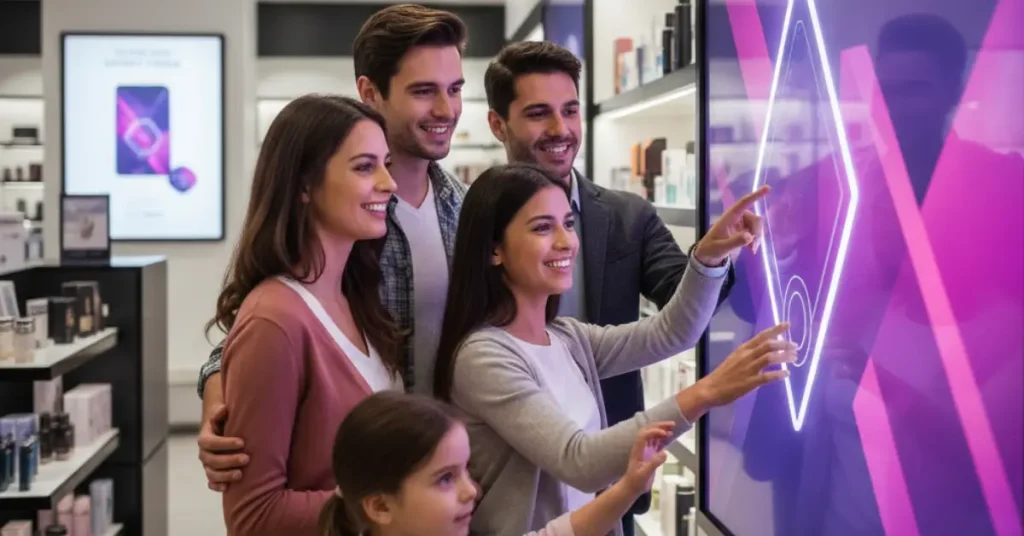
What Are Interactive Display Signs?
Interactive display signs are advanced digital displays that respond to touch, motion, or voice. These smart systems transform traditional signboards into interactive communication tools.
It includes:
- Touch-enabled product catalogs in stores
- QR-based displays with real-time updates
- Gesture-activated promotional screens at events
- Voice-responsive LED panels for navigation
This type of interactive signage lets people participate rather than passively view content. It’s widely used across industries — from retail and hospitality to education and corporate spaces — because it delivers information dynamically and memorably.
Why Customer Experience Matters
Customer experience defines how people feel about a brand. Positive interactions lead to trust, while poor engagement can push customers away. Interactive display signs play a vital role in improving these interactions by making them enjoyable and personal.
Dynamic digital displays catch attention instantly, provide instant product details, and encourage exploration. This makes customers feel more informed and involved, which drives satisfaction and long-term loyalty.
How Interactive Display Signs Improve Customer Engagement
The true strength of interactive signage lies in how it drives customer engagement. It turns every display into an active communication tool.
Ways it boosts engagement:
- Personalized Experiences: Smart systems adjust content based on customer interests or behavior.
- Instant Information: Touch-based screens make browsing fast and effortless.
- Interactive Features: Games, product demos, and surveys turn passive viewers into participants.
- Social Media Links: Real-time feeds and hashtags amplify online presence.
Brands using interactive display signs often notice longer dwell times and higher conversion rates — proving how engagement directly influences buying behavior.
Many businesses enhance their setups with digital signage in modern advertising and custom LED signs vs traditional to stay ahead in visual marketing.
Real-World Applications of Interactive Signage
Retail Stores
In retail, interactive display signs help customers find products, compare features, and receive personalized suggestions. These systems enhance convenience and encourage impulse purchases — creating memorable shopping experiences.
Trade Shows and Events
At trade events, interactive signage turns ordinary booths into engaging brand experiences. Touch displays, LED walls, and digital catalogs allow visitors to explore freely. Brands often combine this technology with trade show solutions and custom trade show booths to stand out from competitors.
Corporate Offices
In offices, digital displays are used for welcome screens, meeting updates, and visitor navigation. They improve workplace efficiency and reflect a company’s innovative identity.
Outdoor Advertising
Outdoor interactive signage, such as a motion-activated LED billboard, immediately captures attention. Businesses utilize durable outdoor business signs to convey targeted, data-driven messages to their target audiences.
Benefits of Interactive Display Signs
| Feature | Static Signs | Interactive Display Signs |
|---|---|---|
| Engagement | One-way communication | Real-time, two-way interaction |
| Content Control | Fixed visuals | Dynamic updates anytime |
| Data Tracking | None | Analytics on user behavior |
| Return on Investment | Hard to measure | Quantifiable through engagement data |
Key Benefits Include:
- Increased brand visibility and attention
- Longer customer interaction time
- Real-time data for marketing insights
- Lower printing and replacement costs
- Energy efficiency with LED display signs
Tips for Using Interactive Display Signs Effectively
To make interactive signage work successfully, businesses should:
- Design Simply: Ensure easy navigation and readability.
- Update Content Often: Keep screens current and relevant.
- Maintain Brand Consistency: Use brand colors and logos on all digital displays.
- Invest in Quality: Choose long-lasting materials like custom logo signs to ensure durability and clarity.
These small practices help maximize engagement and ensure a seamless, enjoyable user experience.
Future Trends in Interactive Signage
The next wave of interactive display signs will integrate technologies like AI, AR, and voice recognition. Smart digital displays will analyze customer data in real time to offer personalized recommendations and immersive experiences.
In the near future, businesses will use interactive signage to greet customers by name, guide them through stores, and even process instant purchases — making every touchpoint meaningful.
Conclusion – The Future of Connected Brand Experiences
Interactive display signs are redefining how brands connect with their audiences. By combining technology, creativity, and strategy, they create meaningful, measurable experiences that strengthen relationships.
Companies that adopt interactive signage and digital displays are not just improving their marketing — they’re shaping the future of customer engagement through innovation and interactivity.
FAQs
They engage customers through real-time interaction, enhancing communication and interest.
They deliver personalized and visually engaging content that encourages participation and connection.
It works best in retail stores, offices, trade shows, and outdoor campaigns.
No. LED and smart systems are energy-efficient and require minimal upkeep.
Yes, scalable digital displays and low-cost hardware options make them accessible to all business sizes.